


Why Childhood Trauma Memoirs Matter More Than Ever
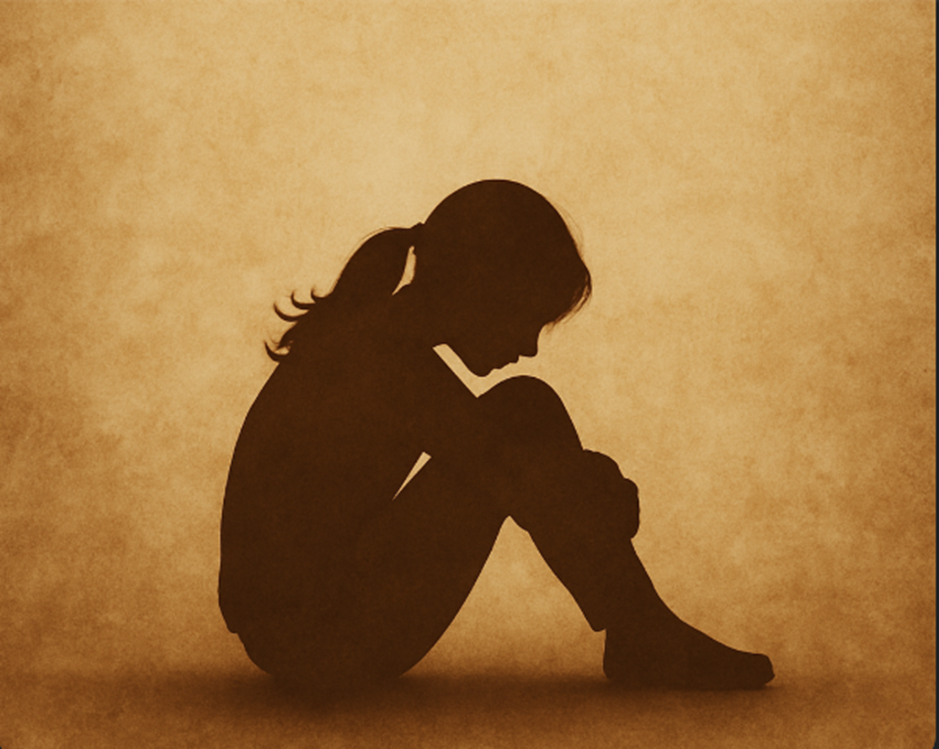
In a world where people carry silent wounds behind polished smiles, the childhood trauma memoir has become an essential form of storytelling. These books do far more than recount painful memories. They give voice to experiences that were once hidden. They create bridges for others who carry similar hurts. And most importantly, they show that healing is possible.
For many readers, picking up a childhood trauma memoir feels like sitting with someone who finally understands. There is comfort in seeing your own shadows reflected, not as a sentence, but as a story that can be rewritten with courage, support, and self-compassion.
Authors like Susan Frances Morris step into the vulnerable space of truth telling not for shock, but for liberation. Their stories remind us that trauma is not the end of the journey. It is the beginning of the search for wholeness.
The Purpose of a Childhood Trauma Memoir
A childhood trauma memoir is more than a retelling of what happened. It is an exploration of how the events shaped a life. It honors the child who survived and the adult who is still learning to heal.
These memoirs often serve several core purposes:
1. Breaking the silence
Trauma thrives in secrecy. Memoirs bring the truth into the light and allow survivors to stop carrying their burden alone. When people read these stories, they recognize that their pain is real and valid.
2. Humanizing mental and emotional wounds
Emotional trauma does not leave visible scars, but the impact is profound. Memoirs help readers understand anxiety, fear, abandonment, and resilience through the lived experience of someone who survived it.
3. Inspiring courage to confront one’s own story
Sometimes survivors need to see that healing is possible before they can believe it for themselves. Memoirs give them a roadmap, one page at a time.
4. Creating connection and community
Readers find themselves nodding, pausing, and breathing differently when they encounter a story that mirrors theirs. Memoirs allow people to feel less alone and more understood.
5. Transforming pain into purpose
For authors, writing is an act of reclaiming their voice. For readers, it becomes a catalyst for self reflection and emotional processing.
Why Readers Seek Childhood Trauma Memoirs Today
The demand for childhood trauma memoirs continues to rise. People are searching for authenticity and emotional truth in a world where curated perfection often overshadows real human experience.
Readers turn to these books because:
· They want to understand themselves
Many adults live with patterns rooted in childhood experiences, from people pleasing to self doubt. Memoirs help them name what they never understood.
· They are healing from past wounds
Therapy and self help offer frameworks. Memoirs offer companionship. Both are essential.
· They want to break generational cycles
Understanding what shaped us is the first step in making sure it does not shape those who come after us.
· They crave storytelling that is raw and real
A memoir that speaks with honesty becomes a mirror for the soul.
The Healing Power of Sharing One’s Story
Writing a childhood trauma memoir requires immense courage. For many authors, it is part of their healing journey. The process helps them uncover buried emotions, honor forgotten memories, and bring meaning to the chaos of their past.
But the healing does not stop with the writer. The reader receives healing too.
· When a survivor sees their pain reflected on the page, something shifts.
Their story becomes thinkable. Sayable. Shareable. And slowly, layer by layer, they begin to let light touch the parts of themselves that once felt untouchable.
This is the unique gift of memoir. It turns individual courage into collective healing.
What Makes a Childhood Trauma Memoir Memorable
Not all memoirs are created equal. The ones that stay with readers for years have certain qualities that deepen their impact.
1. Emotional honesty
The author invites readers into their truth without hiding or glorifying. This honesty builds trust.
2. Reflection, not just recollection
Great memoirs explore both the past and the meaning behind the past. They weave memory with insight.
3. Sensory storytelling
Readers feel as if they are walking through each memory, seeing the room, hearing the voice, feeling the tension.
4. Hope woven through the pain
While trauma is part of the story, healing is the heart of the story.
5. A message that transcends one person
The memoir becomes a universal invitation for others to heal, forgive, and reclaim their inner power.
Susan Frances Morris A Voice for Trauma Survival and Healing
Susan Frances Morris is one of the authors who understands the profound responsibility of writing from a place of truth. Her work does not avoid pain, yet it does not drown in it. Instead, she uses her memoir to illuminate a path forward.
Her storytelling is compassionate and unflinching. She offers readers not just memories, but meaning. Not just hurt, but hope. Her perspective demonstrates that healing is not a destination. It is a lifelong journey of honesty, self compassion, and courage.
Through her writing and presence, she gives survivors something precious: permission to be gentle with themselves as they heal.
Why Her Memoir Matters Today
In a time when so many feel disconnected from their inner selves, Susan’s memoir stands as a reminder that the past can be understood, healed, and even transformed.
Readers who seek a childhood trauma memoir will find in her work:
A story that speaks to the reality of growing up with emotional wounds
Compassion for the younger self who endured more than they could express
Insight into how trauma shapes our adult relationships and choices
A tender invitation to heal through awareness and self love
A narrative that blends vulnerability with strength
Her memoir matters because it helps others feel seen. And being seen is often the first step in becoming whole.
The Promise of Healing Through Story
A childhood trauma memoir is not simply a book. It is a companion for someone walking through their own shadows. It is a reminder that transformation is possible. It is proof that the child who once struggled survived. And the adult that emerged can rise into deeper peace, awareness, and purpose.
Stories like Susan’s are powerful because they show that healing is not linear. It is a dance of remembering, reflecting, grieving, and finally reclaiming the self that trauma tried to silence.
By sharing her story, Susan offers readers a gentle truth:
You are not alone. Your story is not over. Healing is still possible.
If this reflection speaks to you, you are invited to explore Susan Frances Morris’s memoir and discover a story that mirrors courage, honesty, and hope.
Visit SusanFrancesMorris.com to read more about her work, connect with her journey, and begin your own path toward healing and self understanding.
Your healing matters. Your story matters. You matter.


Comments